ImTT - Image Transformation Therapy
ImTT is a revolutionary treatment method for trauma, obsessive-compulsive disorder, depression, addictions, and anxiety. Intense, unpleasant feelings can be released without the patient having to relive them intensely. This prevents flooding and dissociation during treatment.
Furthermore, ImTT uses a new psychodynamic model (“Survival Model of Psychological Dynamics”) that structures the treatment process in such a way that both emotional and behavioral changes occur comparably quickly and gently without “conscious work”.
ImTT uses various breathing and visualization exercises to gently yet intensively resolve feelings such as pain, fear, guilt, inner emptiness, discomfort, and feelings of worthlessness with long-term success.
ImTT is also used in the treatment of behavioral and substance addictions, resolving the fixation between feeling and behavior (so-called "feeling states"). This eliminates the craving for the addictive substance/behavior, making "behavioral control" unnecessary.
As a result, one is much better able to carry out the behavior in an appropriate manner.
ImTT was developed from EMDR by Robert Miller PhD in California and is evaluated and recognized as a psychological treatment method.www.imttherapy.com)
Book: Image Transformation Therapy
The latest edition of Image Transformation Therapy offers even more breakthroughs in psychological treatment. These build upon developments presented in previous editions. The sixth edition includes two new protocols: the Freedom Statement Protocol (FSP) and the Vocalization Protocol (VP).
The FSP identifies and resolves hidden, dysfunctional survival strategies. The VP releases unspoken feelings that help those affected to set boundaries and develop new behaviors.
The VP is now part of the Traumatic Memory Protocol and the Social Anxiety Protocol.
A new approach to treating attachment disorders has also emerged. Attachment dynamics such as anxious-insecure attachment and avoidant attachment can also be treated with ImTT.


Online therapy
You don't want to come to my practice in person (COVID-19), or you live too far away?
Die Behandlung ist auch via Skype & Co. möglich!
Become an ImTT therapist
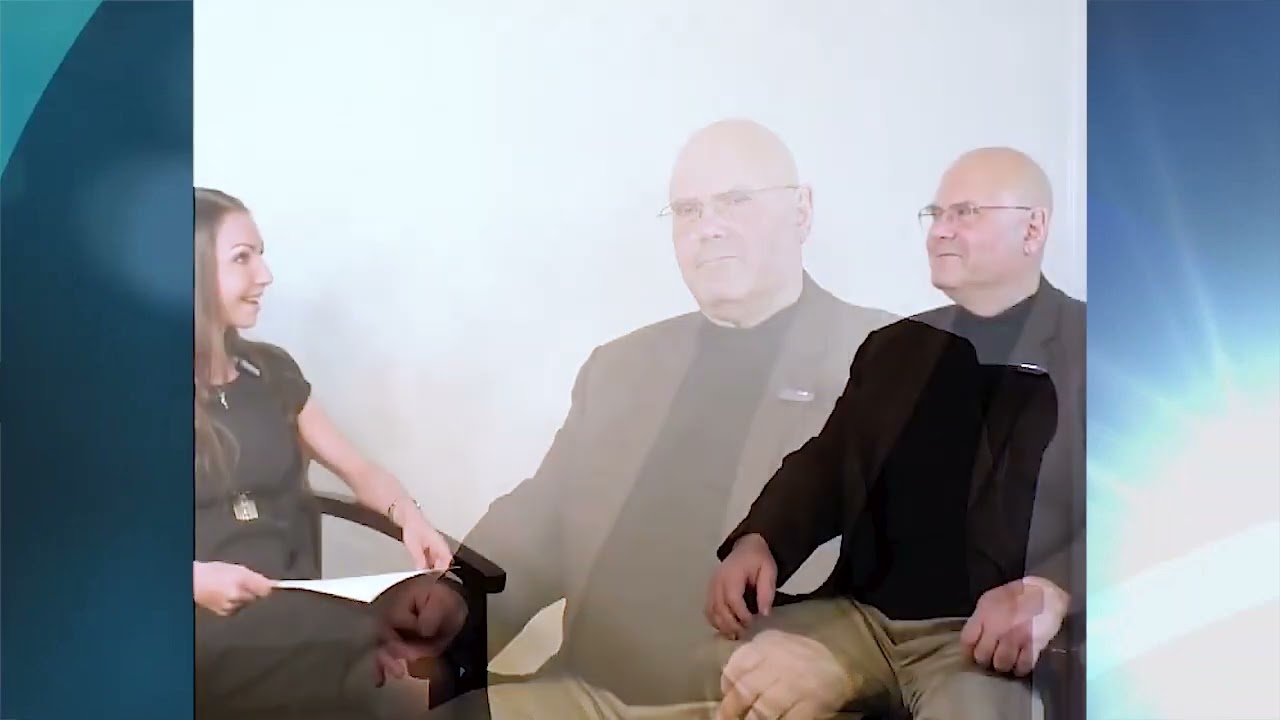
Image Transformation Therapy: An Interview with Dr. Robert Miller